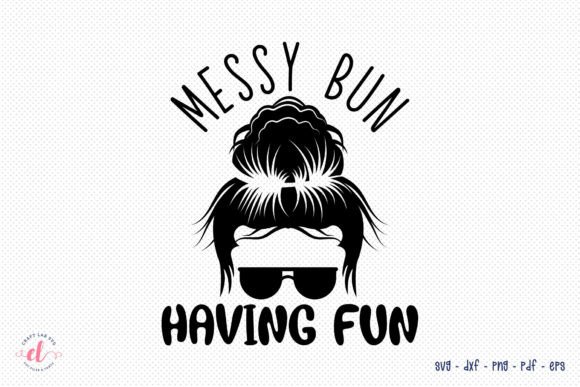
Messy Bun Having Fun SVG
First Impressions: Playful, Relatable, and Instantly Recognizable
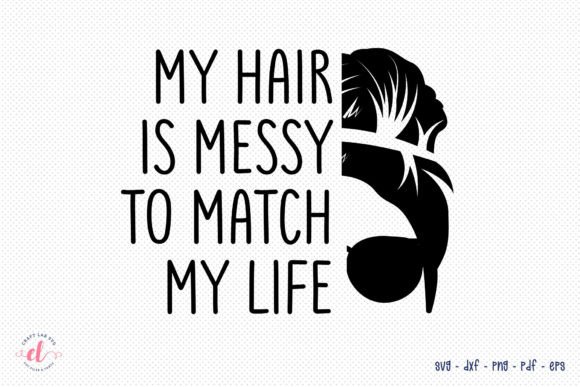
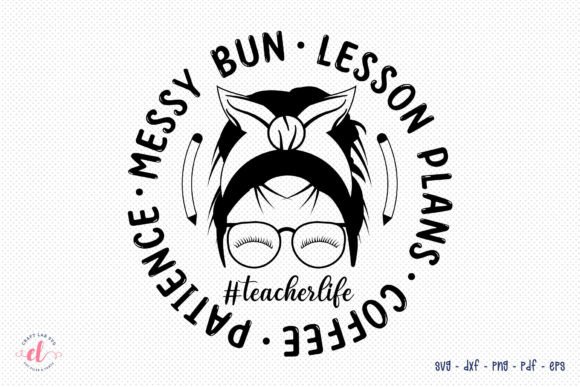
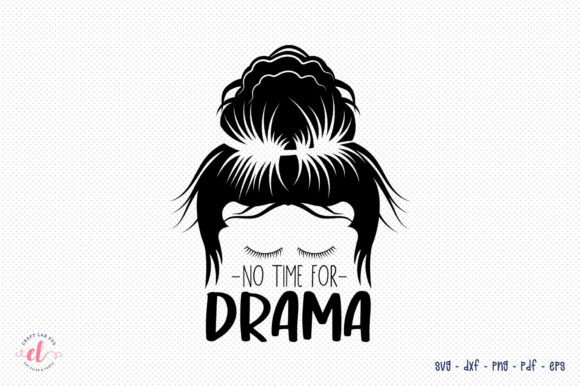
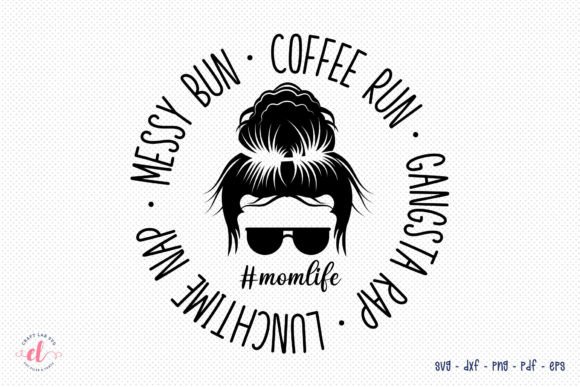
Opening Messy Bun Having Fun Messy Bun SVG feels like flipping through a sketchbook of joyful, unfiltered moments—there’s warmth in the looseness, charm in the imperfection. As a designer who’s stitched hundreds of phrases and icons for real clients, I immediately notice how the shape leans into its theme: soft curves, relaxed line weight, and just enough detail to read clearly at 3–4 inches tall without looking fussy. It’s not overly stylized or cutesy; it lands somewhere between friendly illustration and clean graphic design. That balance makes it work across age groups and contexts—from a baby onesie to a boutique apron—and gives it strong potential as both a machine embroidery design and a versatile digital embroidery file.
A Real-World Test: Embroidering This on a Linen Tote Bag
Last week, I prepped a custom order for a local café owner: ten linen tote bags with embroidered slogans for staff gifts. I chose Messy Bun Having Fun Messy Bun SVG for three of them—paired with simple coffee cup icons—to soften the branding and add personality. On medium-weight linen, with tear-away stabilizer and 40-weight poly thread, the design stitched cleanly at 3.5 inches wide. The curves held well, the “bun” loop stayed defined, and the playful energy translated directly to the finished product. Customers loved it—not because it was flashy, but because it felt human, handmade, and intentional. That’s the quiet strength of this design: it supports storytelling without shouting.
Where It Shines (and Where to Pause)
Messy Bun Having Fun Messy Bun SVG works beautifully for:
- Custom apparel—especially sweatshirts, tees, and lightweight jackets where relaxed graphics feel authentic
- Tote bag design and canvas aprons, where the shape fills space without overwhelming texture
- Baby embroidery and nursery decor, thanks to its gentle silhouette and non-gendered charm
- Holiday embroidery and personalized gifts—think Mother’s Day mugs, pillow covers, or tea towels with coordinating fonts
- Etsy seller listings and small shop products, where relatability boosts buyer engagement and repeat orders
But be thoughtful when applying it to:
- Thin or stretchy fabric: The open curves can distort if stabilization isn’t precise—always test on scrap first.
- Curved surfaces like caps or beanies: The horizontal layout doesn’t wrap naturally; consider repositioning or pairing with a smaller companion motif.
- Dense stitch areas or layered garments: Avoid stacking it over thick seams or quilting lines—it reads best on flat, stable ground.
- Dark fabric backgrounds: While it scales well, fine interior details may soften unless thread contrast is strong (e.g., bright coral or mustard on navy).
Design Integrity Meets Commercial Practicality
As someone who reviews embroidery files daily for craft business use, I pay close attention to how a design affects perceived value—and Messy Bun Having Fun Messy Bun SVG delivers quietly. It doesn’t rely on dense fill stitch or excessive satin stitch to impress; instead, it uses smart spacing and rhythm to look polished even at lower stitch counts. That means faster run times, less thread waste, and fewer tension issues across machines. For an Etsy seller stitching 20+ items weekly, that adds up in time, cost, and consistency.
It also builds trust. When customers see this on a handmade product, they don’t think “generic clipart”—they sense care, intention, and brand voice. That matters whether you’re selling embroidered patches for a school fundraiser or launching a line of mom-themed kitchen towels. The design feels personal without being exclusive, fun without being juvenile, and commercial without feeling mass-produced.
Practical Notes Every Embroidery Designer Should Check
Before cutting fabric or loading your hoop:
- Test on scrap fabric matching your final project’s weight and weave—linen behaves differently than cotton poplin, which behaves differently than fleece.
- Review stitch density: If your version includes optional outlines or shadow layers, confirm they’re needed for your fabric type and scale.
- Confirm hoop size: This design fits comfortably in a 4x4 hoop at standard sizes—but verify before scaling up for larger tote applications.
- Inspect small details: Look closely at the bun’s tail and hairline curves—they should hold definition without fragile jump stitches.
- Check thread color contrast in both light and dark mockups—especially if offering multiple fabric options.
- Use proper stabilizer: Medium-weight cutaway works best for knits; tear-away suffices for stable wovens.
- Confirm licensing: Since this is listed under Crafts and Graphics, double-check usage rights before selling finished products or bundling it into digital embroidery bundles.
Final Thought: A Design That Earns Its Place
Messy Bun Having Fun Messy Bun SVG isn’t just another trendy phrase—it’s a functional, expressive, and commercially smart asset. It fits seamlessly into holiday embroidery collections, baby embroidery kits, and everyday custom apparel workflows. More importantly, it invites connection: moms smile when they see it, crafters appreciate its clean build, and small shop owners know it converts. In a market flooded with overdesigned graphics, this one earns its keep by staying true to its name—fun, messy, and genuinely useful.