Best Mom Laser Cut File, Metal Wall Art
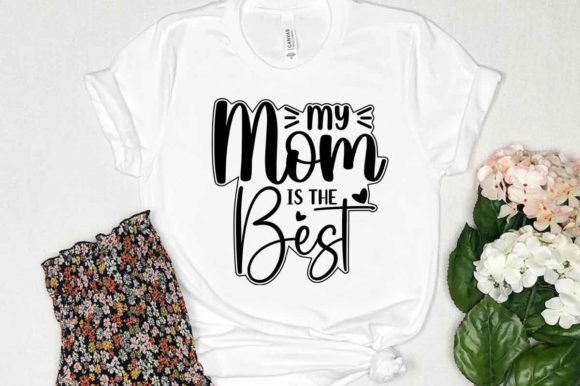
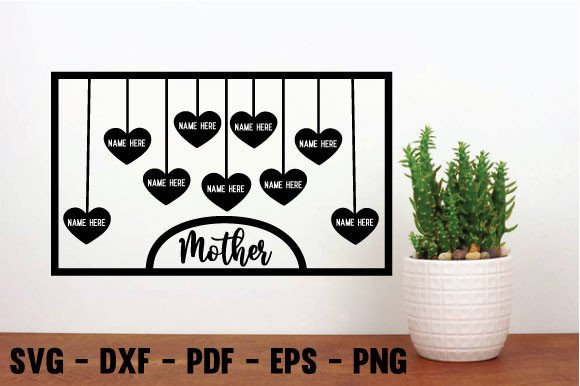
As a designer who’s stitched thousands of “Mom” motifs—from delicate baby onesies to bold boutique aprons—I opened Best Mom Laser Cut File, Metal Wall Art expecting something decorative, maybe even ornate. What I found instead was clean, confident, and quietly intentional: a vector-based silhouette with strong negative space, balanced proportions, and just enough detail to feel personal without tipping into visual clutter. It reads as warm but not saccharine, modern but not sterile—exactly the kind of design that holds up across embroidery projects where authenticity matters more than flash.
First Impressions: Simplicity That Stitches Well
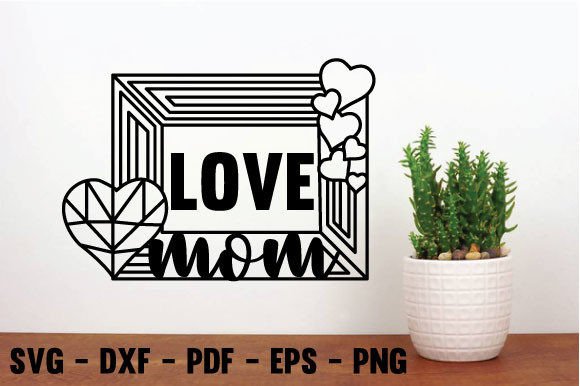
The moment you view Best Mom Laser Cut File, Metal Wall Art, it’s clear this wasn’t built for laser-cut metal alone—it translates beautifully to thread. Its outline is smooth and continuous, with no micro-gaps or overlapping paths that cause stitch jumps or registration hiccups. The lettering is legible at 3.5 inches wide, and the central heart motif sits cleanly within the composition—not too large to overwhelm, not so small it disappears in fill stitch. As a machine embroidery design, it avoids the common trap of over-engineered flourishes; there are no tiny curls, fragile stems, or nested inner shapes that fray or vanish under satin stitch. That’s huge. In real-world use—say, stitching it onto a linen tea towel for a Mother’s Day craft fair—it lands with clarity, not confusion.
A Real Project Test: Embroidering a Linen Tote Bag
Last week, I used Best Mom Laser Cut File, Metal Wall Art on a natural linen tote for a local boutique’s spring collection. We chose matte cotton thread in soft terracotta and charcoal—no metallics, no high-contrast combos—and paired it with medium-weight cutaway stabilizer. The result? Crisp edges, even tension, and zero puckering—even across the tote’s slightly uneven weave. Customers responded immediately: “It feels handmade, not mass-produced,” one said. Another flipped the bag to check the backside, impressed by how cleanly the design held its shape without bleed-through. That’s the quiet power of this file: it supports the handmade product ethos without demanding perfection from the embroiderer.
Where It Shines (and Where to Pause)
Best Mom Laser Cut File, Metal Wall Art works exceptionally well for:
- Custom apparel: Sweatshirt embroidery (especially on midweight fleece), relaxed-fit tees, and structured caps—when digitized with appropriate underlay and reduced density in curved areas.
- Personalized gifts: Baby embroidery on cotton onesies, embroidered patches for nursery pillows, or minimalist kitchen towels where subtlety reads as care.
- Craft business assets: As a digital embroidery file, it scales cleanly for printable mockups, Etsy listings, and social media previews—no pixelation, no redraw needed.
- Small shop merchandise: Works as both a standalone motif and a subtle brand accent—think corner embroidery on aprons or edge-stitching on pillow covers.
But here’s where attention matters:
- Hoop size & fabric texture: On highly textured fabrics like bouclé or thick terry cloth, simplify or omit interior line details—those fine strokes don’t read when stitch density drops.
- Stretchy or thin fabric: Always use tear-away + cutaway combo stabilizer. This design’s open layout can shift if the base layer moves during stitching.
- Dark fabric: Test thread colors in natural light. Some satin-stitched sections reflect differently on charcoal or navy—what looks rich on screen may flatten in person.
- Curved surfaces (like caps): Digitize with gentle curve compensation. The original vector’s straighter lines hold up better than script-heavy alternatives when wrapped.
What It Adds to Your Finished Product
This isn’t just another “Mom” graphic—it elevates perception. When stitched onto a handmade product, Best Mom Laser Cut File, Metal Wall Art subtly signals intentionality: thoughtful spacing, restrained detail, and balanced weight distribution. That builds customer trust faster than any tagline. For Etsy sellers, it helps listings stand out in search results not because it’s flashy, but because it photographs well, stitches reliably, and feels cohesive across product types—from embroidered sweatshirts to holiday gift bundles. And yes, it reads as professional. Not corporate, not generic—but confidently crafted.
Practical Designer Notes Before You Stitch
Before committing to your first run:
- Test on scrap fabric first—especially if using textured or dark materials. Watch how fill stitch settles in the heart motif.
- Check thread color contrast in both daylight and indoor lighting. Soft neutrals often outperform brights for longevity.
- Review stitch density in your embroidery software. If digitizing from scratch, reduce density by 10–15% for lightweight fabrics.
- Confirm hoop size compatibility. While the vector scales freely, embroidery files need realistic dimensions—aim for 3–4 inches wide for most apparel applications.
- Inspect small details at 200% zoom. Look for stray nodes or unintended overlaps that could cause jump stitches.
- Test black-and-white mockups before finalizing listings. This design’s strength lies in contrast and shape—not color complexity.
- Use proper stabilizer—cutaway for knits, tear-away for stable wovens, and fusible + cutaway for layered garments like reversible totes.
- Verify licensing before selling finished items or bundling as part of a digital embroidery file pack. Since this is listed as a Graphics asset for Crafts, confirm commercial use rights directly with the source.
In short: Best Mom Laser Cut File, Metal Wall Art isn’t the loudest design in the room—but it’s the one that stays on the shelf, gets gifted, gets framed, and quietly reinforces why people choose handmade. It respects the craft, the customer, and the creator’s time. And in today’s saturated market? That’s not just practical. It’s essential.