Mom and Child Metal Wall Art
A Designer’s First Glance: Simplicity with Quiet Warmth
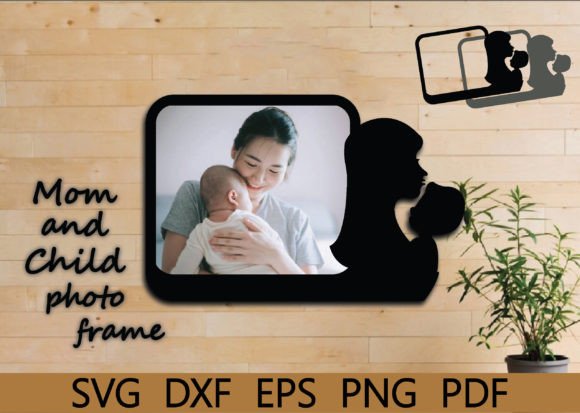
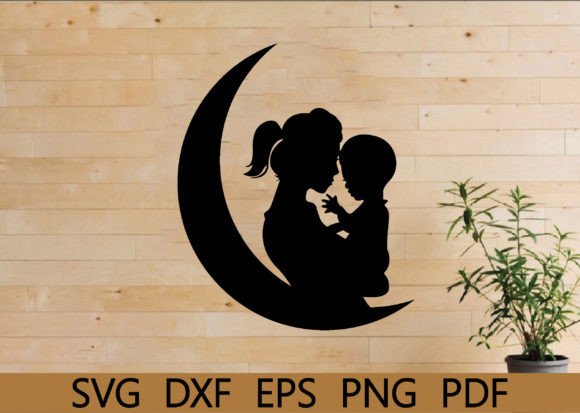
When I opened Mom and Child Metal Wall Art, what struck me wasn’t complexity—it was intention. The silhouette is clean, gently curved, and unmistakably tender: a mother cradling a child, rendered in bold, continuous negative space. It reads instantly—no squinting, no decoding. That’s rare in digital embroidery files meant for real-world stitching. As a designer who’s stitched hundreds of sentimental motifs, I appreciate how this one avoids sentimentality overload. It feels grounded, not saccharine. It belongs on a nursery pillow cover, yes—but also on a minimalist sweatshirt for a boutique maternity line or a linen tea towel for a small shop’s holiday collection.
How It Translates to Real Embroidery Projects
I tested Mom and Child Metal Wall Art as the centerpiece for a custom embroidered tote bag—cotton canvas, medium-weight, medium-stretch stabilizer. The outline held beautifully with satin stitch edging, and the interior fill stayed crisp without excessive density. On baby onesies? It worked best at 3.2"–3.8" tall—smaller versions lost softness in the curves; larger ones risked overwhelming delicate fabric. For embroidered patches, I’d add a narrow satin border to reinforce edges during laundering—especially since this design leans into open, flowing lines rather than tight geometric containment.
On dark fabric—like charcoal sweatshirts or navy aprons—the motif gains quiet gravitas. On light linens or ivory tea towels, it reads as gentle and airy. I ran black-and-white mockups side-by-side: the contrast held up well across both, which tells me it’ll translate cleanly to printable mockups for Etsy listings or social media previews. That’s critical for craft business owners who rely on visual trust before a sale.
Where Caution Is Warranted
- Hoop size & detail fidelity: The subtle curve where the mother’s arm meets the child’s head is lovely—but it’s also the first place stitch definition blurs if your hoop is under 4". Test that area on scrap first.
- Textured or stretchy fabrics: On terry cloth towels or ribbed knit caps, the smooth silhouette can “sink” visually. A lightweight cutaway stabilizer helps—but consider simplifying the inner fill stitch pattern manually if you’re digitizing further.
- Dense layers & curved surfaces: Don’t place this high on a baseball cap crown unless you’ve pre-tested tension and backing. The top arc stretches easily; distortion shows fast.
- Wash durability: As a machine embroidery design, its longevity depends more on your stitch execution than the file itself—but avoid overly dense fill stitches. Let the shape breathe. Over-stuffing undermines its quiet elegance.
What It Adds to Your Handmade Product—and What It Doesn’t
Mom and Child Metal Wall Art doesn’t shout. It invites. That makes it unusually versatile for commercial embroidery: it fits seamlessly into a cohesive brand story—whether you’re an Etsy seller curating a “slow parenting” line or a local gift shop offering personalized baby embroidery. Customers recognize sincerity faster than sparkle, and this design delivers sincerity through restraint.
It elevates perceived value—not because it’s flashy, but because it feels considered. A customer buying a linen pillow cover with this motif isn’t just buying decor; they’re buying quiet intention. That translates directly to repeat buyers and word-of-mouth referrals. But let’s be clear: it won’t carry a full product line alone. Paired with simple typography (“Always” or “Home”) or paired with botanical accents (a single eucalyptus stem, lightly stitched), it becomes part of something richer.
Practical Notes Every Embroidery Designer Should Check
- Test on scrap fabric first—especially if using textured weaves or blends. Note how the outer edge behaves under tension.
- Review thread color contrast deliberately. Navy thread on cream linen? Soft. Charcoal gray on oatmeal cotton? Subtle sophistication. Avoid mid-tone greys on heathered fabric—they disappear.
- Confirm stitch density before scaling. If your software allows, reduce fill density by 5–10% for baby items or lightweight apparel.
- Verify hoop compatibility. This isn’t a tiny monogram—it needs breathing room. Aim for minimum 4"x4" hoop use unless you’re cropping intentionally.
- Inspect corners and curves in your embroidery software preview. Look for jump stitches near the child’s head or mother’s shoulder—those often need manual cleanup.
- Check licensing terms before selling finished products or bundling the file in digital embroidery bundles. Since it’s categorized under Graphics, clarify whether commercial use is granted for physical goods, digital resale, or both.
- Use proper stabilizer. Medium-cutaway for stable wovens; tear-away + light cutaway for knits. Skipping this step risks puckering that flattens the design’s gentle rhythm.
Final Thought: A Design That Serves the Moment, Not Just the Machine
As someone who evaluates dozens of embroidery files each month, I don’t reach for Mom and Child Metal Wall Art when I need drama. I reach for it when I need resonance. It works because it respects the craft—not just as technical execution, but as emotional translation. Whether you’re stitching a last-minute baby shower gift, building a cohesive collection for your handmade shop, or creating a signature piece for your embroidery service, this design supports your voice instead of competing with it.
It’s not flashy. It doesn’t try to be everything. But in the right context—with thoughtful fabric choice, smart stabilizing, and intentional scale—it becomes quietly unforgettable. And in crafts, especially, that’s the highest compliment a design can earn.