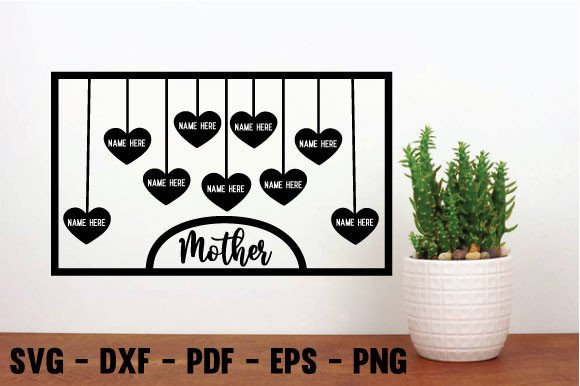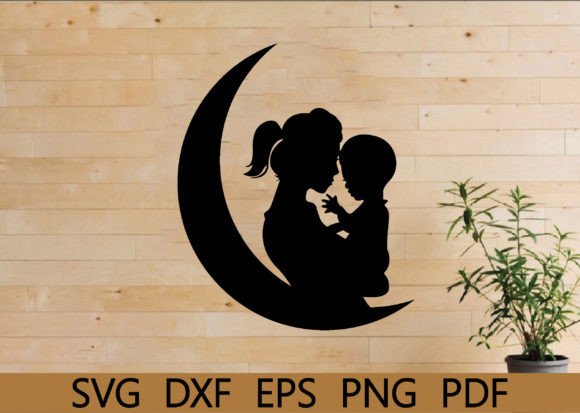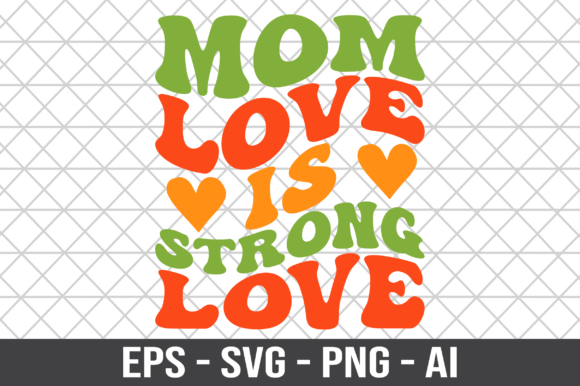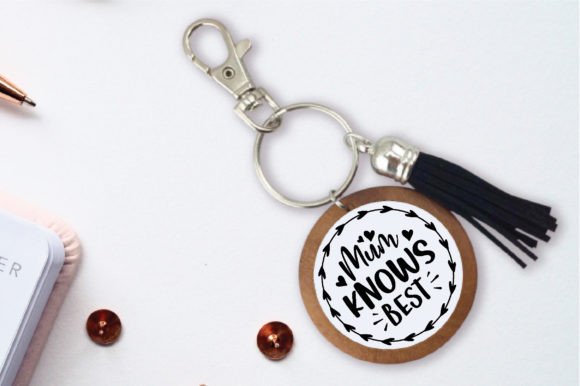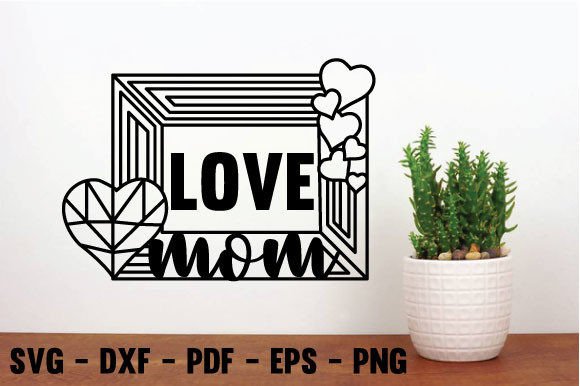
Love Mom Laser Cut File, Metal Wall Decor
A Designer’s First Glance: Simplicity with Heart
When I opened Love Mom Laser Cut File, metal Wall Decor, the first thing that struck me wasn’t technical precision—it was warmth. Clean lines, open negative space, and a gentle, slightly rounded script spelling “Love Mom” in a single horizontal flow. It doesn’t shout; it leans in. That makes it instantly promising for embroidery—not as a flashy statement piece, but as a quiet, heartfelt accent. As a designer who’s stitched hundreds of “mom”-themed items for baby blankets, aprons, and boutique sweatshirts, I appreciate how this design avoids cutesy clutter or overwrought embellishment. It feels intentional, not algorithmic.
Where This Design Lives Best—And Why
I recently prepped a custom embroidered tote bag series for a local gift shop—soft canvas, medium-weight, natural tone. I mocked up Love Mom Laser Cut File, metal Wall Decor as a centered chest emblem (about 4.5" wide), using satin stitch for the outer edges and a subtle fill stitch for the interior curves. The result? Calm, legible, and unmistakably handmade. It worked beautifully on sweatshirt cuffs, tea towel hems, and even as a small patch on denim jackets—especially when paired with soft ecru or heather grey thread.
This isn’t a design built for dense appliqué or multi-layered embroidery. Its strength lies in clarity at moderate scale. Think: pillow covers for nursery decor, monogrammed baby onesies (scaled down to 2.75"), linen kitchen towels sold on Etsy, or minimalist caps for Mother’s Day pop-ups. For craft business owners, it slots cleanly into printable mockups—no visual competition with background textures or busy patterns. It reads well in black-and-white previews, which matters when customers scroll fast on mobile.
Real Embroidery Considerations—No Sugarcoating
Let’s be direct: Love Mom Laser Cut File, metal Wall Decor is elegant—but elegance demands attention to detail in execution. On stretchy fabric like cotton jersey or thin knit baby onesies, the open letterforms can distort if stabilizer isn’t layered thoughtfully (I recommend cutaway + tear-away combo). Tiny corners—especially where the “L” meets the curve of “o”—need clean digitizing; if your embroidery file wasn’t optimized for low-density stitching, those areas may look brittle or uneven.
It’s also not ideal for ultra-small hoop work (<3"). The “v” in “Love” and the tail of the “y” need breathing room. On dark fabric, contrast becomes critical: light thread must be dense enough to read without oversaturating, while dark thread on light fabric benefits from crisp satin edges—not muddy fill stitch. And yes, it *can* go on curved surfaces like caps—but only if the design has been properly contoured for crown placement. Don’t assume the SVG translates directly; always verify the embroidery file version matches your machine’s requirements.
What Makes It Feel Like a Finished Product—Not Just a File
Customers don’t buy files—they buy meaning, presentation, and trust. When stitched cleanly, Love Mom Laser Cut File, metal Wall Decor reads as intentional craftsmanship, not mass-produced clip art. That lifts perceived value on Etsy listings and craft fair tables. A customer buying a personalized embroidered sweatshirt doesn’t just want “Mom” stitched somewhere—they want it to feel seen. This design delivers that because it’s balanced, unhurried, and emotionally grounded.
For digital product sellers, it’s a smart addition to a “Motherhood Essentials” bundle—paired with coordinating stitch files for floral accents or simple hearts. But remember: as a Graphics asset marketed for laser cutting, its embroidery viability hinges entirely on how it’s been digitized. An SVG alone isn’t an embroidery file. If you’re sourcing this for commercial embroidery, confirm whether you’re getting a ready-to-stitch .pes, .dst, or .jef version—or if you’ll need to digitize it yourself.
Practical Designer Notes Before You Stitch
- Always test on scrap fabric first—especially with textured weaves or blends that shift under needle pressure.
- Check thread color contrast across both light and dark backgrounds before finalizing your product photos.
- Review stitch density: too sparse = fragile edges; too dense = stiff, bulky results on lightweight fabrics.
- Confirm hoop size compatibility before adding to a multi-item production run.
- Inspect small details like inner counters (the enclosed space inside “o” or “e”)—they must clear cleanly or risk nesting issues.
- Test in black-and-white mockups to ensure legibility at thumbnail size—critical for online shops.
- Use proper stabilizer for your fabric type; skip this step, and the graceful curves collapse into wobble.
- Verify licensing before selling finished items or reselling the design as part of a digital pack—this is a Crafts-category graphic, not automatically cleared for unlimited commercial embroidery use.
Final Thought: A Quiet Anchor in a Busy Market
In a sea of glittery fonts and overdesigned “Mom Life” motifs, Love Mom Laser Cut File, metal Wall Decor stands out by doing less—and meaning more. It’s not flashy, but it’s memorable. Not trendy, but timeless enough for baby gifts today and framed wall art five years from now. As an experienced embroidery designer, I reach for it when authenticity matters more than volume—when the goal isn’t just to decorate, but to honor. Use it thoughtfully, stitch it carefully, and let the simplicity speak.